Get Subfloor Installation
Subfloor installation services help property owners repair, replace, or level subfloors in projects like home renovations, new construction, or flooring upgrades.
If you’re considering a subfloor installation project, you’ve come to the right place. Property owners often explore subfloor work to improve the stability and safety of their floors, address uneven or damaged surfaces, or prepare for new flooring installations. Planning such a project involves understanding the scope of work and evaluating local contractors who can deliver quality results. This page is designed to help you compare options and connect with experienced service providers in your area, ensuring your project is handled efficiently and effectively.
Exploring your options for subfloor installation can help ensure the best outcomes for your property. Whether upgrading an older space or starting fresh with a new construction, working with local contractors allows for tailored solutions suited to your specific needs. Keep reading to learn more about the benefits of professional subfloor work and how to find qualified service providers nearby to assist with your project.
- Residential Home Renovations - homeowners may need subfloor installation when updating or remodeling interior spaces.
- New Construction Projects - builders require subfloor services during the initial phases of constructing new buildings.
- Commercial Space Fit-Outs - business owners often seek subfloor installation to prepare commercial interiors for flooring finishes.
- Floor Leveling and Repairs - property owners might need subfloor work to address uneven or damaged substructures before installing new flooring.
- Basement Finishing - contractors are called upon to install subfloors when finishing or renovating basement areas.
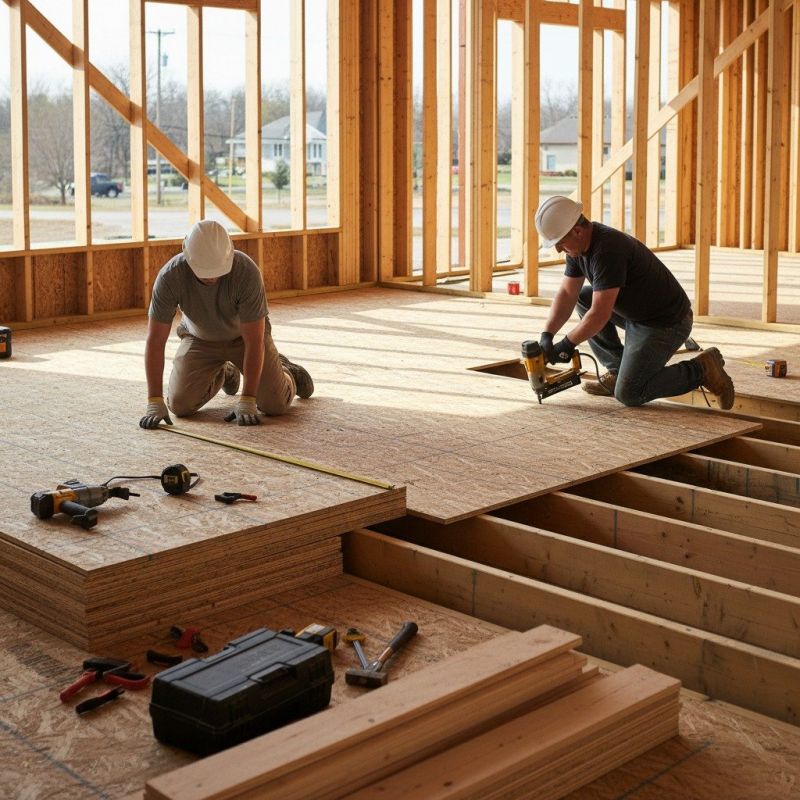
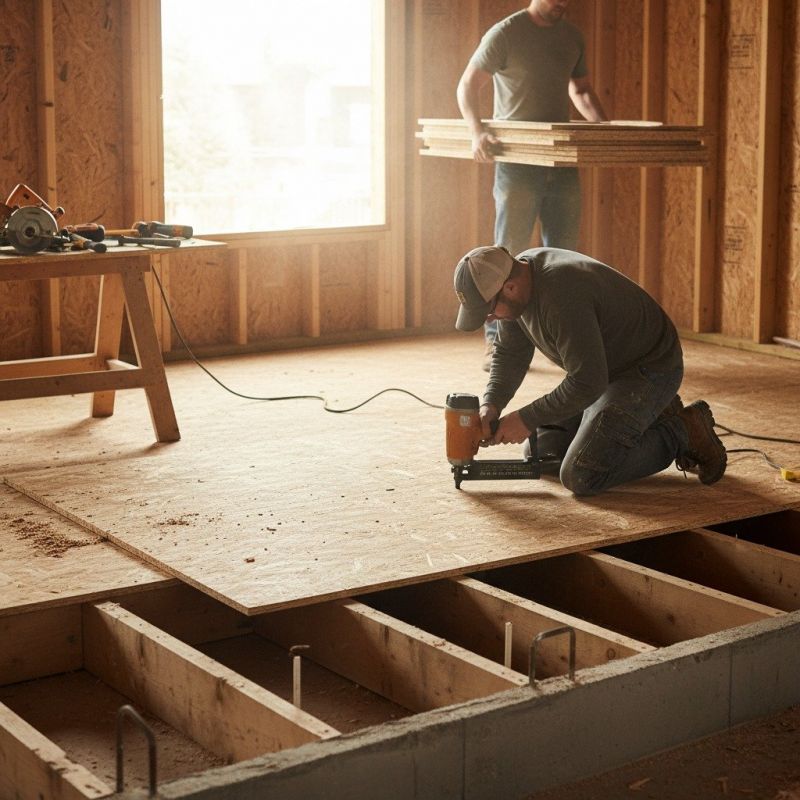
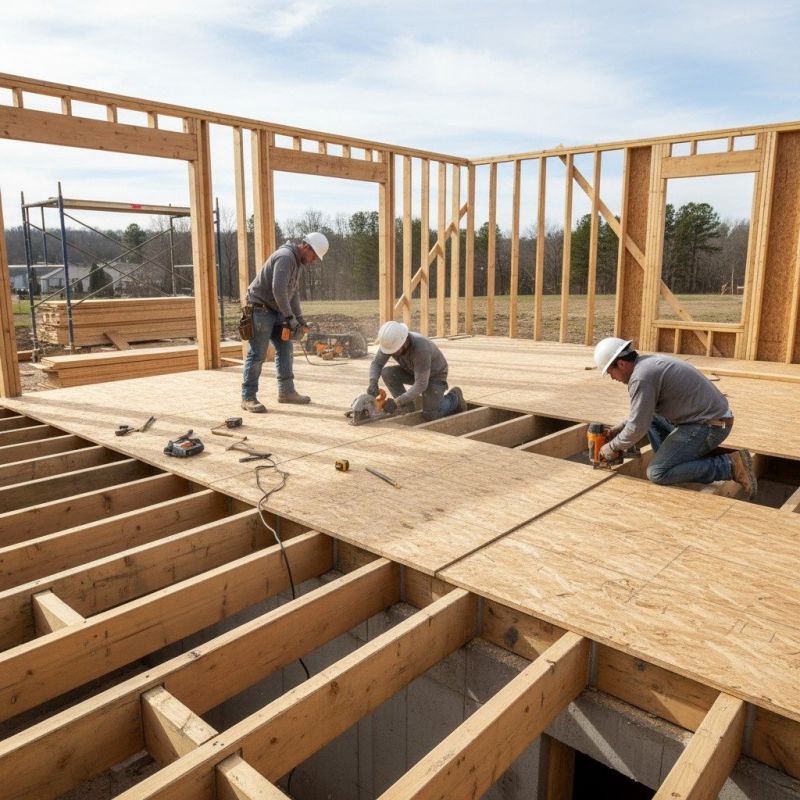
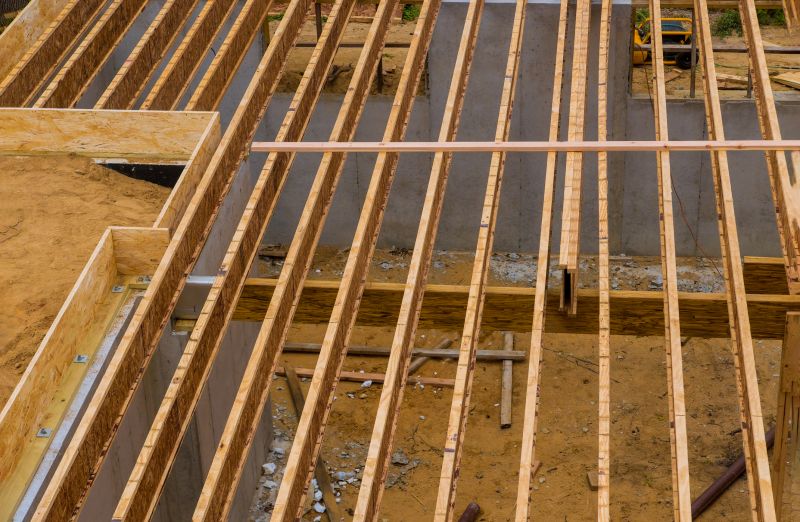
Subfloor installation services involve preparing and laying down a sturdy base beneath the finished flooring in a property. This process typically includes assessing the existing floor condition, removing any damaged or uneven material, and installing new subfloor panels made from materials like plywood, oriented strand board (OSB), or other suitable options. Proper subfloor installation ensures a level, stable surface that supports the final flooring layer, whether it’s hardwood, laminate, tile, or carpet. Experienced local contractors can handle this work efficiently, ensuring the foundation of a flooring project is solid and durable.
This service helps address common problems such as uneven flooring, squeaking, and structural instability. Over time, subfloors can become damaged due to moisture, rot, or shifting foundation, leading to a compromised surface that affects the appearance and safety of the finished floor. Installing a new subfloor can also help mitigate issues caused by previous poor installation or settling of the property. By providing a reliable base, subfloor installation can extend the lifespan of the entire flooring system and improve overall comfort within a home or commercial space.
Properties that typically require subfloor installation include homes undergoing renovation, new construction projects, or buildings with damaged or deteriorated existing floors. Residential properties such as single-family homes, townhouses, and apartments often need subfloor work when upgrading or repairing flooring. Commercial spaces, including retail stores, offices, and restaurants, may also require subfloor installation to create a level and stable surface for various types of finished flooring. Local service providers are well-equipped to handle projects of different sizes and complexities, ensuring the subfloor meets the specific needs of each property.
Homeowners should consider subfloor installation services when experiencing issues like uneven or creaky floors, water damage, or prior subpar flooring work. It’s also a necessary step before installing new flooring in properties with existing structural problems or after significant renovations. Reliable local contractors can evaluate the current subfloor condition, recommend appropriate solutions, and perform the installation efficiently. Contacting experienced professionals ensures that the foundation for new flooring is properly prepared, helping to create a safe, level, and long-lasting surface for years to come.
The overview below groups typical Subfloor Installation projects into broad ranges so you can see how smaller, mid-sized, and larger jobs often compare in your area.
In many markets, a large share of routine jobs stays in the lower and middle ranges, while only a smaller percentage of projects moves into the highest bands when the work is more complex or site conditions are harder than average.
Smaller Repairs - minor subfloor repairs typically cost between $250 and $600, covering patching or replacing small sections. Many routine jobs fall within this range, depending on the extent of damage and material used.
Partial Replacement - replacing larger sections of subfloor usually ranges from $1,000 to $3,000, with costs influenced by the size of the area and accessibility. Fewer projects reach into the higher end of this range.
Full Subfloor Replacement - complete removal and installation of new subfloor can cost between $4,000 and $8,000 or more for larger, more complex projects. Many full replacements fall in the middle of this spectrum.
Custom or Complex Installations - specialized subfloor work, such as leveling or reinforced installations, can exceed $10,000, though these are less common and depend heavily on project specifics.
Actual totals will depend on details like access to the work area, the scope of the project, and the materials selected, so use these as general starting points rather than exact figures.
Flooring Removal and Preparation - Professionals experienced in removing old flooring and preparing subfloors ensure a smooth foundation for new installation projects.
Concrete Leveling and Repair - Local contractors skilled in concrete work can address uneven or damaged subfloor surfaces, creating a stable base for flooring.
Insulation and Moisture Barrier Installation - Installing proper insulation and moisture barriers is essential for subfloor longevity and is often handled by specialists in building prep work.
Structural Reinforcement - Reinforcing joists or framing supports requires planning and skills similar to subfloor installation to ensure stability and safety.
Underlayment Installation - Laying down underlayment materials for soundproofing or added comfort involves techniques common to subfloor setup.
Flooring Material Installation - Installing hardwood, laminate, or tile flooring builds on subfloor skills, focusing on surface finishing and alignment.
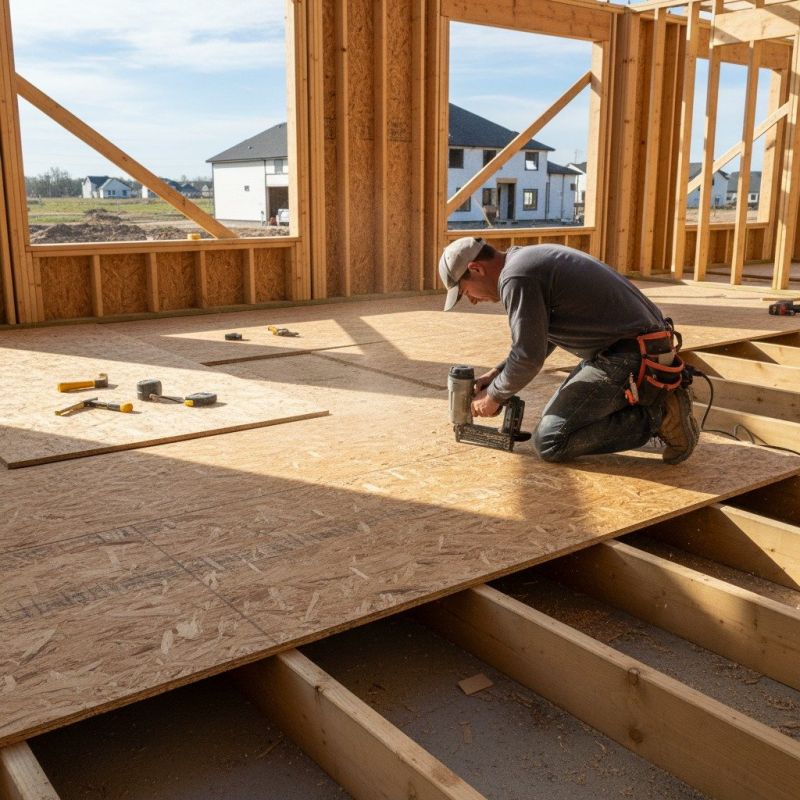
When evaluating potential service providers for subfloor installation, it’s important to consider their experience with similar projects. Homeowners should look for local contractors who have a proven track record of handling subfloor work comparable to the scope and complexity of the project at hand. Asking about past projects or seeking references can provide insight into their familiarity with different subfloor materials and installation techniques, helping to ensure that the chosen professional has the relevant expertise to deliver quality results.
Clear, written expectations are essential to a successful working relationship. Homeowners should seek out local pros who provide detailed estimates and scope of work in writing, outlining the specific tasks to be performed, materials used, and any other relevant details. This documentation helps prevent misunderstandings and ensures that both parties are aligned on what the project entails. Establishing transparent expectations early on can contribute to a smoother process and a more satisfactory outcome.
Good communication and reputable references are key factors when comparing local contractors. Reliable service providers should be willing to share references from past clients or examples of completed projects. Effective communication throughout the process-prompt responses to questions, clear explanations of procedures, and openness to feedback-also indicates professionalism and a commitment to client satisfaction. While the site introduces homeowners to local options, selecting a contractor with these qualities can increase confidence that the project will be handled competently and with attention to detail.
Property owners use Subfloor Installation services for practical projects around their homes and businesses. This guide focuses on everyday jobs and straightforward project options.
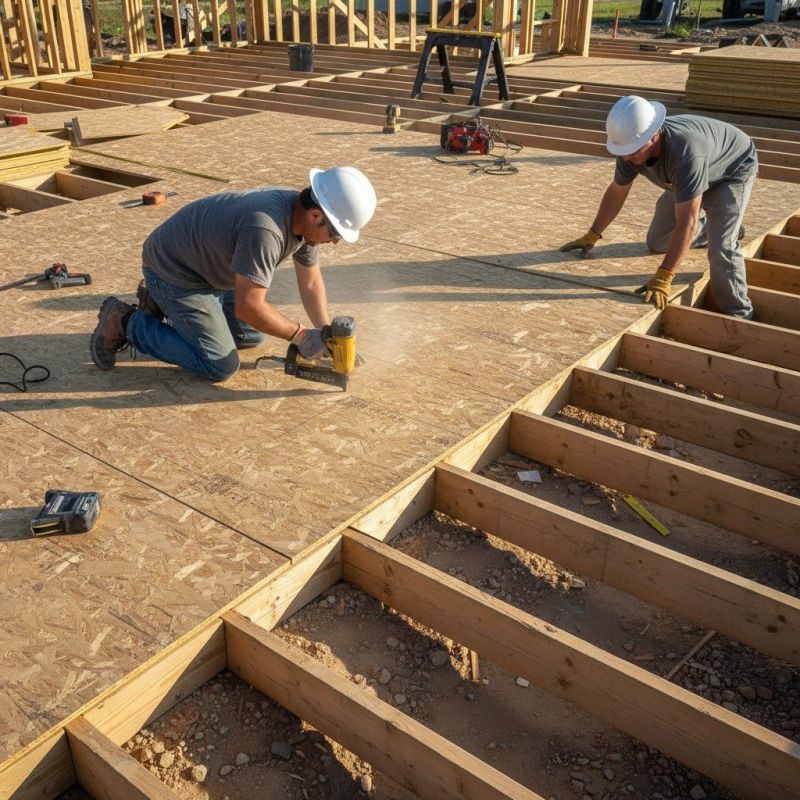
Subfloor installation services are often needed when property owners are renovating or upgrading their homes or commercial spaces. Common situations include preparing a new room for flooring, replacing damaged or warped subfloors, or leveling uneven surfaces to ensure a stable foundation for finished flooring materials. Local contractors can assist with these projects to help improve the overall durability and safety of a property’s flooring system.
Property owners may seek subfloor installation services to address issues like moisture damage, squeaking floors, or structural concerns that affect the stability of their floors. Whether undertaking a major remodel or fixing specific problem areas, local service providers can handle these tasks efficiently, providing a solid base that supports the final flooring and enhances the longevity of the space.
What is subfloor installation? Subfloor installation involves placing a supportive base layer beneath the finished flooring to ensure stability and durability for your floors.
Why is proper subfloor installation important? Proper installation helps prevent issues like squeaking, uneven surfaces, and damage to the finished flooring over time.
What types of materials are used for subfloors? Common materials include plywood, oriented strand board (OSB), and concrete, depending on the type of building and flooring.
How do local contractors prepare for subfloor installation? They assess the existing surface, ensure it is level and clean, and select appropriate materials before beginning installation.
Can subfloor installation be done in existing homes? Yes, experienced service providers can install or replace subfloors in existing structures to improve floor stability and support.
Subfloor Repair Services - Property owners can address uneven or damaged subfloors before installing new flooring to ensure a stable surface.
Leveling Subfloors - Homeowners planning renovations can have local contractors level uneven subfloors for a smoother finish.
Subfloor Installation - Those building new rooms or finishing basements can rely on local service providers to install a solid foundation.
Moisture Barrier Installation - Property owners can improve indoor air quality and prevent mold by adding moisture barriers during subfloor work.
If you are thinking about Subfloor Installation for a property, this guide is meant to help you understand the work, the typical project types, and how different options might fit your plans.
When you are ready, you can use the quote form on this page to share a few details about your project. From there, local pros can review the basics and respond with options that match what you have in mind.